





Choosing between polycarbonate vs acrylic for a laser enclosure is about more than cost or visibility. The right laser safety window material must provide suitable protection for the laser's wavelength and operating conditions. Although material polycarbonate and acrylic are both used in protective viewing windows, ordinary sheets should never be assumed safe for laser use.
When selecting a polycarbonate laser window, acrylic laser safety window or another laser engraver safety window, check its verified protection rating first. Understanding polycarbonate vs acrylic helps you compare durability, clarity and handling without overlooking the most important requirement: laser protection.
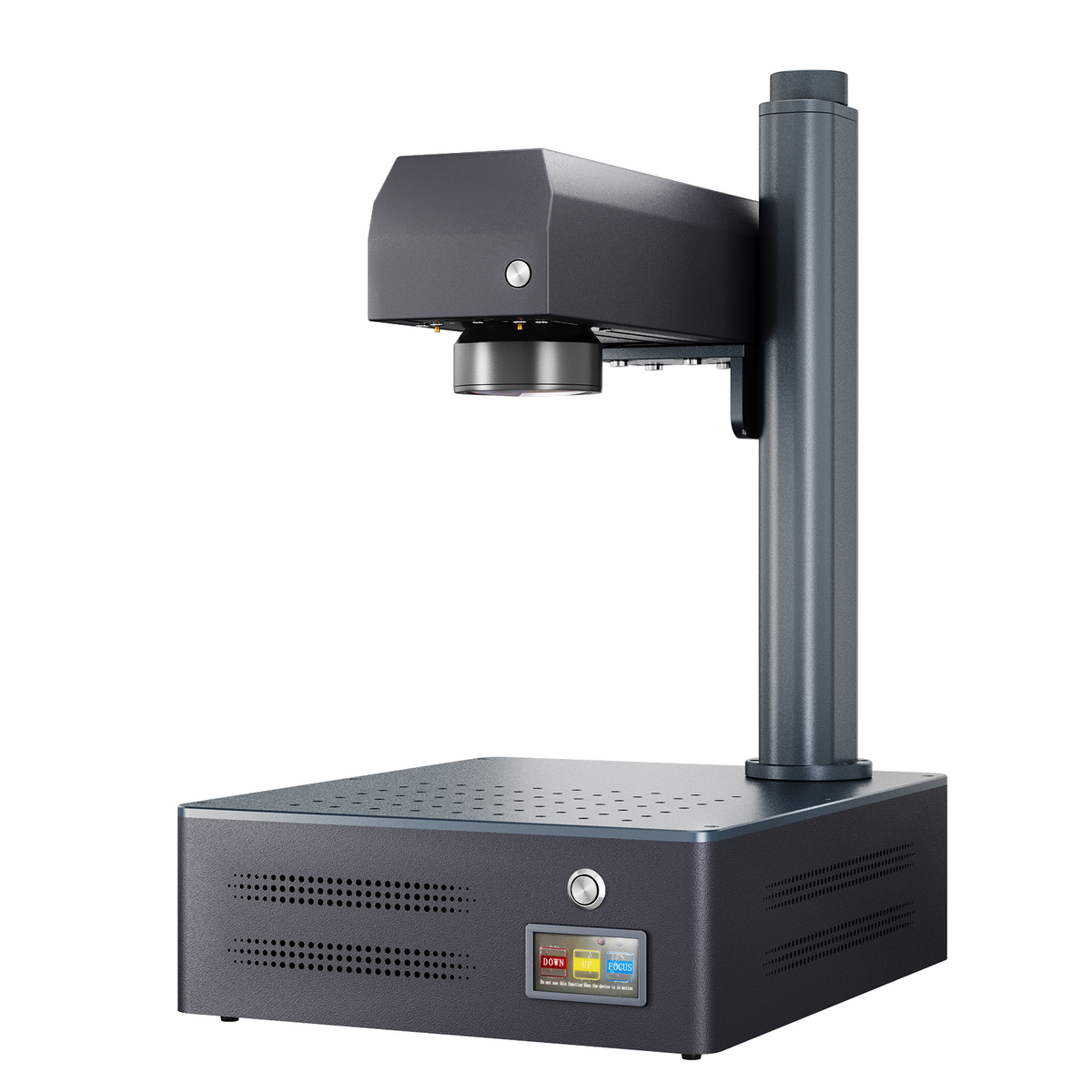
Monport GM 30W Pro Integrated JPT MOPA Fiber Laser Engraver & Marking Machine with AutoFocus

What Is the Difference Between Polycarbonate and Acrylic?
Material polycarbonate and acrylic are transparent plastics, but they have different physical properties. Polycarbonate is generally known for its impact resistance, while acrylic is often valued for its optical clarity and surface appearance.
However, neither material is automatically suitable for a laser enclosure. A laser safety window material must be specifically rated for the laser involved, rather than selected solely because it is clear, thick or difficult to break.
Polycarbonate: Strength and Impact Resistance

Polycarbonate is commonly used where impact resistance and lightweight construction matter. A purpose-made polycarbonate laser window can also be designed to filter particular laser wavelengths, with the appropriate optical density and other protective specifications.
The key distinction is between ordinary polycarbonate and a certified laser-protective product. When comparing polycarbonate vs acrylic, don't assume that a tougher sheet necessarily provides better laser protection.
Acrylic: Clarity and Surface Appearance

Acrylic is often selected for its optical clarity and appearance. A purpose-made acrylic laser safety window can incorporate filtering properties designed for a specified laser application.
That doesn't mean ordinary acrylic is safe to use as a viewing panel. The laser safety window material must have documented protection ratings that match the equipment, even when the sheet looks clear and undamaged.
How Do You Choose a Laser Safety Window Material?
The most important factor is the laser itself. Before deciding between polycarbonate vs acrylic, identify the operating wavelength, power and exposure conditions, then confirm the protection required for the enclosure.
According to Edmund Optics' laser safety window guidance, laser safety windows are designed for specified wavelength ranges and optical densities. The company also advises that the required protection should be determined by a qualified safety professional. This is why a laser engraver safety window should be selected using its technical documentation, not appearance alone.
Check these details before purchasing:
-
Wavelength range: The window must protect against the wavelength emitted by your laser.
-
Optical density (OD): Verify the specified protection level across the relevant wavelength range.
-
Power and exposure: Confirm suitability for the actual laser and foreseeable exposure conditions.
-
Visible light transmission: Consider whether the work area can be viewed clearly through the protective panel.
-
Certification and documentation: Check the manufacturer's specifications and applicable safety requirements.
These checks apply to both a polycarbonate laser window and an acrylic laser safety window.
Polycarbonate vs. Acrylic: Which Properties Matter Most?

| Property | Polycarbonate | Acrylic |
|---|---|---|
| Impact resistance | Generally high | Generally lower than polycarbonate |
| Optical clarity | Depends on grade and treatment | Often valued for clarity |
| Weight | Lightweight | Lightweight |
| Laser protection | Depends on the specific protective product | Depends on the specific protective product |
| Best selection method | Verify application-specific ratings | Verify application-specific ratings |
This comparison describes general material characteristics, not a guarantee of safety. For polycarbonate vs acrylic, the exact product specifications matter more than the material name alone.
For example, a workshop producing engraved metal tags may want a clear enclosure panel to monitor positioning and marking. In that situation, the laser safety window material must be compatible with the machine's wavelength and protection requirements before visibility or convenience becomes a deciding factor.
What Should You Avoid When Choosing a Laser Engraver Safety Window?
A common mistake is using an ordinary plastic sheet because it appears thick enough or blocks visible light. Laser radiation may be invisible, and a panel's colour or thickness alone does not establish its protective capability.
Don't substitute a general-purpose polycarbonate laser window or acrylic laser safety window for a properly specified protective component. Avoid modifying the enclosure without reviewing the manufacturer's safety requirements, and replace any damaged or degraded protective window according to its documentation.
A laser engraver safety window is only one part of a safe setup. Enclosure design, interlocks, operating procedures and other safeguards also matter.
How Does Your Laser Engraver Affect Window Selection?

The machine's laser type and operating wavelength determine which protective window options may be suitable. A window intended for one wavelength range may not provide the required protection for another.
For example, the Monport GM 30W Pro Integrated MOPA Fibre Laser Engraver and Marking Machine with AutoFocus is listed with 30W laser power and a 1064 nm central wavelength. Its listed features include a 150 × 150 mm (5.9 × 5.9 in.) engraving area, autofocus, rotary-axis support and a maximum engraving speed of 10,000 mm/s.
The supplied product specifications list a MAX laser source, while the product title identifies the machine as JPT MOPA. Confirm the exact laser-source configuration with Monport before purchase. More importantly, do not infer the required viewing-window rating from power and wavelength alone; obtain the manufacturer's enclosure and safety specifications.
If you're choosing a laser safety window material for this machine or another engraver, consult the machine manufacturer or a qualified laser safety professional before installing a viewing panel. Choose the window for verified protection first, then consider visibility and durability.
Key Takeaways
-
Polycarbonate vs acrylic involves differences in impact resistance, clarity and handling.
-
Neither ordinary plastic is automatically a safe laser viewing window.
-
A polycarbonate laser window and an acrylic laser safety window must have documented ratings suitable for the actual laser.
-
Wavelength, optical density, power and exposure conditions are central to selecting a laser safety window material.
-
A laser engraver safety window must work as part of a complete protective enclosure.
Conclusion
The choice between polycarbonate vs acrylic depends on the specific material properties and the protective ratings of the finished window. Material polycarbonate may suit applications where impact resistance is important, while acrylic may be chosen for its optical characteristics. Neither is a substitute for a properly rated laser safety window material.
Before purchasing a polycarbonate laser window or acrylic laser safety window, verify the wavelength range, optical density and application suitability. For any laser engraver safety window, follow the machine manufacturer's guidance and seek qualified safety advice where needed.
Choose a window with verified laser protection—not simply a clear sheet—and confirm that it is suitable for your machine before operating the enclosure.
Frequently Asked Questions
Is polycarbonate better than acrylic for laser safety windows?
Polycarbonate generally offers higher impact resistance, while acrylic is often valued for optical clarity. Neither is automatically safer; the specific window's verified laser-protection rating is what matters.
Can ordinary polycarbonate block laser radiation?
Not reliably for every laser. Only use a polycarbonate product whose documented wavelength range and protection rating match the intended application.
Is acrylic safe for a laser engraver enclosure?
Only when the specific acrylic window is designed and rated for the laser involved. Ordinary acrylic should not be assumed to provide adequate protection.
What does optical density mean in a laser safety window?
Optical density, or OD, indicates how strongly a material attenuates light at specified wavelengths. The required OD depends on the laser and its exposure conditions.
How do I choose the right laser safety window?
Confirm the laser's wavelength, power, exposure conditions and required protection level. Check the window's documentation and consult the machine manufacturer or a qualified laser safety professional.


